

Why Specialty Potatoes Cost More Than Standard Ones
Last Updated: November 5, 2026
Quick Summary
Specialty potatoes cost more mainly because of how they are grown, handled and sold, not because of taste alone. Lower yields per acre, small production runs, hand harvesting and sorting, shorter storage life and small-package packing all add cost per pound. Organic growing and clean certified seed add further cost.
Compare unit price per pound, not package price, when checking the specialty premium.
Small producers spread fixed costs across a smaller harvest, so each pound carries more overhead.
Organic potatoes cost more due to compost-based fertility, manual pest management and certification compliance.
Early generation seed sells at a premium because it has gone through fewer multiplication cycles.
Compare landed cost, including shipping and minimum order sizes, not just the sticker price.
Table of Contents
Specialty potatoes cost more than standard ones for reasons that have less to do with taste and more to do with how they are grown, sold and bought. A shopper picking up a bag of fingerlings or purple potatoes at a farmers market often pays several times the price of a russet at the supermarket. The gap is real, but it is not arbitrary.
This guide breaks down where that premium comes from. It covers what counts as a specialty potato, how the prices compare, why small runs push unit costs up, and what it takes to get clean seed stock. Along the way, we point out where the premium is worth paying and how to buy seed potatoes online for planting without overpaying.
What Counts as a Specialty Potato
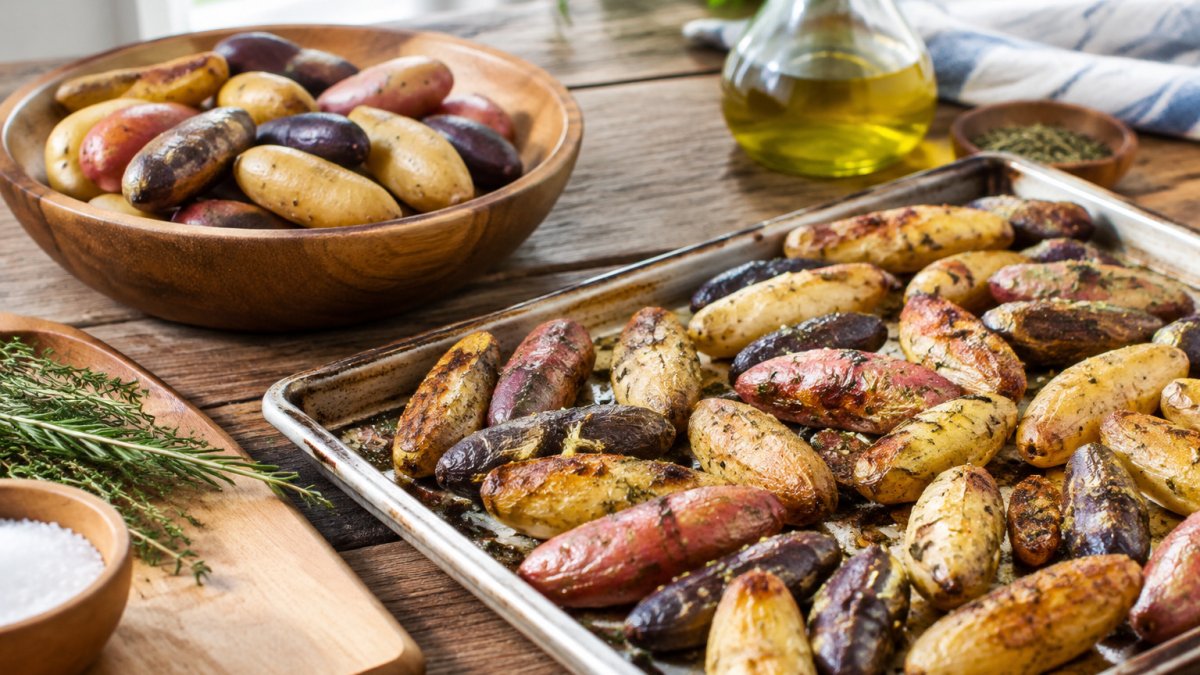
A specialty potato is any variety grown for something beyond bulk commodity use. Most fall into a few groups: fingerling types with long, narrow shapes, colored varieties with purple or red flesh, and heirloom or rare cultivars that are not widely planted by commercial growers.
The category matters for price. Standard potatoes are bred for yield, storage and uniform size, so they can be grown and moved at scale. Specialty varieties are often bred for flavor, color or texture, and they tend to yield less per acre. That lower yield is the starting point for the cost difference.
Specialty vs. Standard Potato Prices Side by Side
The fastest way to see the specialty premium is to compare unit prices, not package prices. Standard russets are usually sold in large multi-pound bags at a much lower per-pound price than specialty varieties. Specialty varieties are typically sold loose or in smaller bags, and the per-pound price depends on variety, organic status, season, and retailer. Shop our organic seed potatoes online to browse the range directly.
A few variety-level patterns hold across most markets:
Russets (standard): lowest cost per pound, sold in large bags, bred for yield and storage. The workhorse for baking and frying.
Yellow and white potatoes (standard): generally priced slightly above russets per pound, still sold in multi-pound bags, widely available year-round.
Red potatoes (standard): often priced between russets and specialty types.
Fingerlings: sold loose or in small bags, typically priced above standard potatoes per pound. Small size and hand handling drive the price.
Colored-flesh (purple, red, blue): typically priced above standard potatoes per pound. Lower yields and shorter storage life push the number up.
Heirloom and rare cultivars: the widest price range, often at farmers markets and specialty grocers.
These are general structural patterns, not quotes. Prices move with season, region, and retailer. The useful habit is to read the unit price on the shelf tag or listing and compare like with like: organic fingerlings against organic russets, conventional specialty against conventional bulk, and farm-direct against retail. A 1-pound bag at $4.99 looks cheaper than a 5-pound bag at $6.99 until you check the per-pound math.
Watch out: small packages can hide the premium. Compare the unit price per pound rather than the package price.
For seed buyers, the same logic applies. Compare price per pound plus shipping, and check minimum order sizes, because a low sticker price with high shipping can erase the advantage. Pricing for seed potatoes depends on quantity, variety, dates and delivery, so check our website for current prices or request a quote.
How Small Production Runs Raise Unit Costs
Most of the premium comes down to scale. A commercial grower planting thousands of acres spreads fixed costs such as equipment, storage, irrigation setup and packing across a huge volume. A small producer spreads those same fixed costs across a much smaller harvest, so each pound carries more overhead.

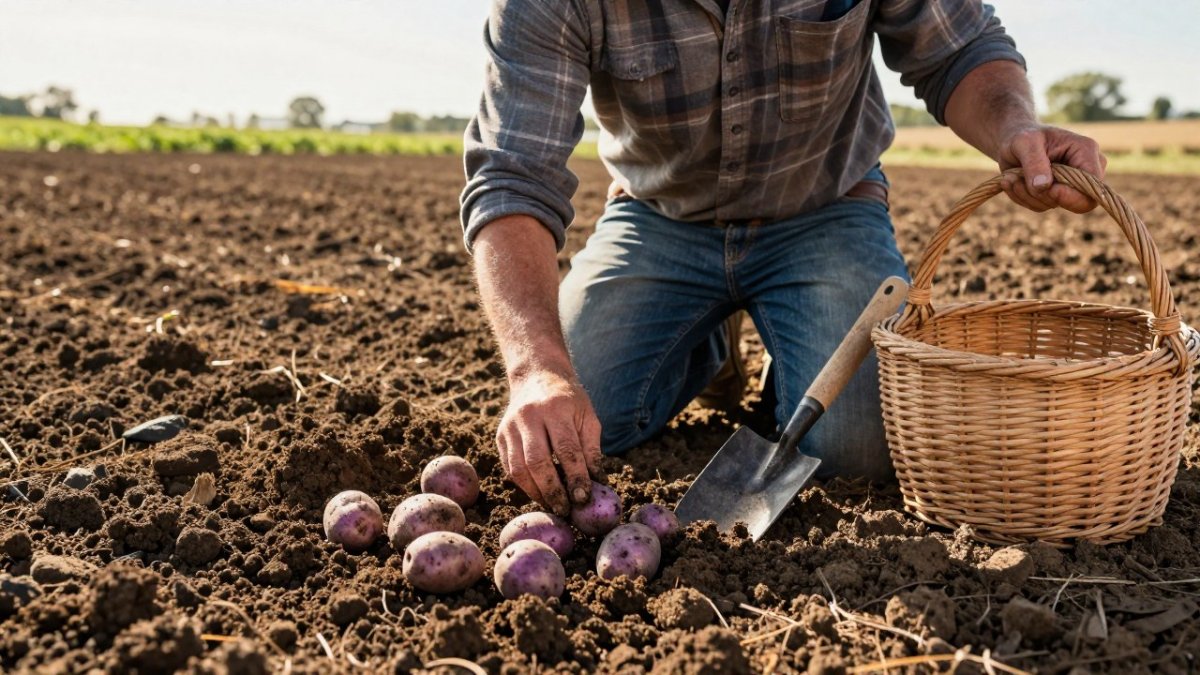
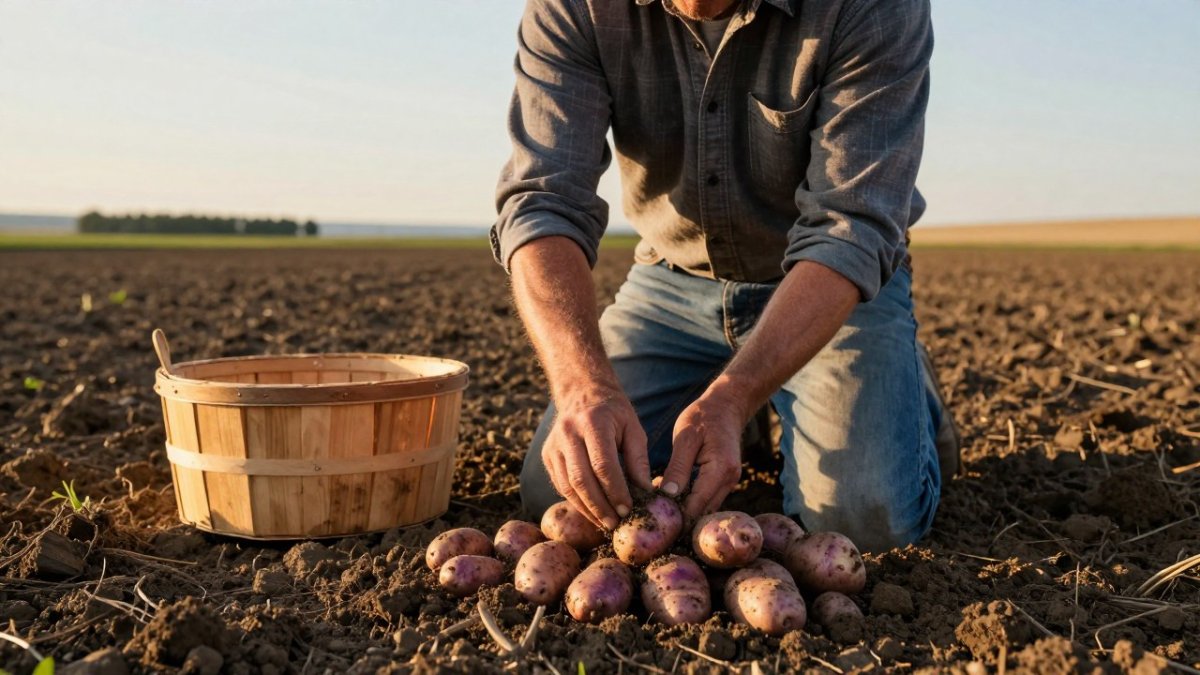
Labor is the biggest difference. Small operations often rely on hand planting, hand sorting and manual harvesting, which cost more per pound than mechanized processing. Smaller runs also mean less buying power for inputs such as compost, seed and packaging, which pushes up the price of every unit produced. A grower selling direct, without a wholesale intermediary, can keep more of the retail price, but the per-pound cost of growing is still higher.
A common mistake is to assume that a higher price means a higher margin for the grower. In many small operations, the margin is thin because the cost of producing each pound is so high in the first place.
Why Are Organic Potatoes So Expensive?
Organic potatoes cost more because the growing method is more demanding and produces less per acre. Growers cannot use synthetic fertilizers or conventional pesticides, so they rely on compost, cover crops, crop rotation and manual pest management. Those practices take more time, more labor and more land.
Organic certification also adds cost. Growers pay for inspection, record-keeping and compliance, and they must keep organic and non-organic production separate. Yields can be lower, especially in years with disease pressure or unusual weather, so the cost per pound rises further. Shoppers are paying for those inputs, the lower harvest volume and the compliance overhead, not just a label.
Organic is not the only driver. A conventional specialty potato can still cost more than a conventional russet, because of the same small-run economics described above.
Seed Quality, Certification and the Cost of Clean Stock
Seed potatoes are the starting material for every potato crop, and clean seed costs more to produce. Certified seed programs test for diseases that can spread through the tubers (usda.gov). Growers who produce early generation seed typically multiply stock through several field generations, and each generation adds labor, testing and land.
That is why early generation seed, sometimes called FY1 or single-drop seed, sells at a premium. It has been through fewer multiplication cycles, so there is less opportunity for disease to build up. Our own focus is early generation seed stock. Pricing for seed potatoes depends on quantity, variety, dates and delivery, so check our website for current prices or request a quote before you plan a purchase.
Certification is worth asking about when you buy. Look for clear information about the certifying program, the generation of the seed, and any testing behind it. A seller who cannot explain their seed history is asking you to take their word for it.
Cost Breakdown from Farm to Retail
Every potato carries a stack of costs between the field and the shelf, and specialty potatoes stack them differently at each step.
1. Seed and planting stock. Seed is one of the largest single line items for a potato grower, and specialty and early generation seed cost more per pound than common table seed.
2. Field inputs and labor. Fertilizer or compost, irrigation, crop protection, and fuel are broadly similar per acre across potato types, but specialty varieties often yield less per acre, so the same input spend is spread over fewer saleable pounds.
3. Harvest and sorting. Commodity potatoes are lifted, graded, and sized by machine at high throughput. Fingerlings and colored varieties bruise, crack, and vary in size, so they need gentler handling, more hand sorting, and lower machine speeds.
4. Storage. Russets are bred to store for months under controlled conditions, which lets growers sell into higher-price windows. Many specialty varieties have shorter storage life and tighter temperature and humidity requirements, so they move to market faster and carry more shrink and loss.
5. Washing, grading, and packing. Specialty potatoes are often washed, sorted by size and color, and packed in small consumer units.
6. Transportation. Potatoes are heavy and mostly water, so freight is a meaningful share of landed cost. Small specialty shipments move in less-than-truckload quantities or parcel boxes, which cost more per pound than full truckloads of bulk potatoes.
7. Wholesale and retail margin. Retailers apply a markup to cover handling, shrink, and shelf space, and specialty items with slower turnover and higher shrink often carry a higher percentage markup than bulk staples.
The pattern is consistent: specialty potatoes are grown, handled, stored, packed, and shipped in smaller, gentler, less efficient runs, and each step adds cost per pound rather than spreading it across volume.
Watch out: a low farm-gate price can disappear by checkout. Shipping, minimum order sizes, and small-package handling can add more per pound than the difference in the seed or table price, so compare landed cost, not sticker price.
The article breaks the farm-to-retail cost stack into steps, and each step adds cost per pound:
Step | Why it costs more | Cost effect |
Seed and planting stock | Certified stock needs testing and limited multiplication | Higher price per pound |
Field inputs and labor | Lower yield per acre, hand planting and weeding | Same spend, fewer saleable pounds |
Harvest and sorting | Gentler handling, hand sorting, slower machines | Slower throughput per pound |
Storage | Shorter storage life, tighter controls | More shrink and loss |
Washing, grading, packing | Small consumer packs, lower packing volume | Higher cost per pound |
Transportation | Less-than-truckload or parcel shipments | Higher freight per pound |
Wholesale and retail margin | Higher markup on slow-turn, high-shrink items | Larger percentage markup |
Where Specialty Varieties Are Worth the Premium, and How to Buy Seed Potatoes Online for Planting
The premium is worth paying in a few situations. If you grow for flavor or color, such as fingerlings for roasting or purple potatoes for salads, a specialty variety gives you something a supermarket potato cannot. If you want clean seed stock and a lower risk of disease in your garden, early generation seed is often the better investment, even at a higher price per pound.
For a home gardener, the premium may not be worth it for a crop you plan to eat and not replant. Standard table potatoes are cheaper and fine for everyday cooking. Save the specialty spend for varieties you cannot get locally or for seed you plan to plant again.
To buy seed potatoes online for planting without overpaying, start by choosing your variety, then compare price per pound and shipping costs across sellers. Ask about certification and seed generation before you order. Check the seller's return policy, since live seed stock is not always refundable once shipped. Order early, because specialty varieties sell out. Buyers who are curious about our range can explore the seed potatoes we grow at Soda Springs Solar Gardens LLC on our website.
Frequently Asked Questions
Why have potatoes gotten so expensive?
Potato prices rise when weather cuts yields, when input costs such as fertilizer, fuel and labor climb, and when storage and transportation add expense. Supply disruptions and seasonal shortages push prices higher still. Specialty and organic potatoes add another layer because they are grown in smaller volumes, so farms spread fixed costs across fewer pounds. Prices typically ease when harvests recover and supply chains stabilize.
Are specialty potatoes more expensive to grow?
Often yes, per pound. Specialty varieties such as fingerlings and colored potatoes frequently yield less than high-volume russets, and organic production requires more labor for weed control and pest management. Growers also tend to sell in smaller lots, which raises the cost per unit. Growing them at home is usually cheaper than buying, but the seed itself is a significant part of the upfront cost.
Do seed potatoes cost more than potatoes for eating?
Yes. Seed potatoes are grown under stricter standards for disease and pathogen control, including field inspection and certification, and they are sold at a premium over table potatoes. Early generation and single-drop seed stock costs more still because it requires more careful propagation. Buyers pay for the lower disease risk and the stronger plants that clean stock tends to produce.
Are specialty potatoes worth the extra cost for home gardeners?
They can be, depending on your goals. If you want varieties unavailable in garden centers, want to grow fingerling or colored potatoes for cooking, or want seed with documented health and certification, the premium may be justified. For a basic crop of common varieties, standard seed is usually sufficient. Compare cost per pound harvested, not just the price per pound of seed, and check each supplier's current pricing directly, since prices vary by quantity, dates and delivery.
Comments