

Are Fingerling Potatoes Worth Growing at Home in 2026?
Last Updated: October 23, 2026
Quick Summary
Yes, fingerling potatoes are worth growing at home for flavor and variety, not to save money. A single plant gives a modest pile of small tubers, so the payoff comes in the kitchen rather than the wallet. They roast fast, hold their shape, and taste better than most supermarket potatoes.
Fingerlings have more sugar and less water than bulk potatoes, so they brown instead of steam.
Most home gardeners harvest roughly half a pound to one pound of fingerlings per plant.
Fingerlings are late-season potatoes, often taking 90 to 110 days to mature.
Plant seed pieces 3 to 4 inches deep and space them 10 to 12 inches apart.
Fingerling seed costs more per pound than standard seed and is harder to find locally.
Table of Contents
Are Fingerling Potatoes Worth Growing at Home? The Honest Answer
What Fingerling Potatoes Give You That Grocery Store Potatoes Don't
Fingerling Potatoes vs. Other Potato Types: A Direct Value Comparison
Flavor, Texture, and Culinary Versatility
How to Grow Fingerling Potatoes: Seed Potatoes, Soil, and Timing
Planting and Soil Warmth
Hilling and Layering Soil Around Plants
Fingerling Potatoes in Containers: Grow Bags, Half Barrels, and Potato Cages
Fingerling Potato Yield per Plant: Realistic Numbers for Home Gardens
Per-Square-Foot Math
What a Modest Yield Actually Means in the Kitchen
Why Container Yields Can Beat Bed Yields
When to Harvest Fingerling Potatoes (and How to Store Them)
Cost, Seed Availability, and Effort vs. Payoff
The Cost Comparison, Plainly
Effort vs. Payoff
Seed Availability and Quality
Variety-by-Variety Comparison
Common Problems and Troubleshooting
Frequently Asked Questions
Are Fingerling Potatoes Worth Growing at Home? The Honest Answer
Yes, fingerling potatoes are worth growing at home, for flavor and variety, not to save money.
Fingerling potatoes are small, narrow, elongated potatoes harvested at full size but never large. They roast fast, hold their shape, and taste better than most supermarket potatoes.
The honest part: a single plant gives a modest pile of small tubers, not a pantry-filling haul. The payoff comes in the kitchen, not the wallet.
What Fingerling Potatoes Give You That Grocery Store Potatoes Don't
Supermarket potatoes are bred for size, storage life, and shipping toughness, with flavor a distant fourth. Fingerlings flip that order.
Flavor: nutty, buttery, and richer than a standard russet
Texture: firm and waxy, so they stay intact when roasted or boiled
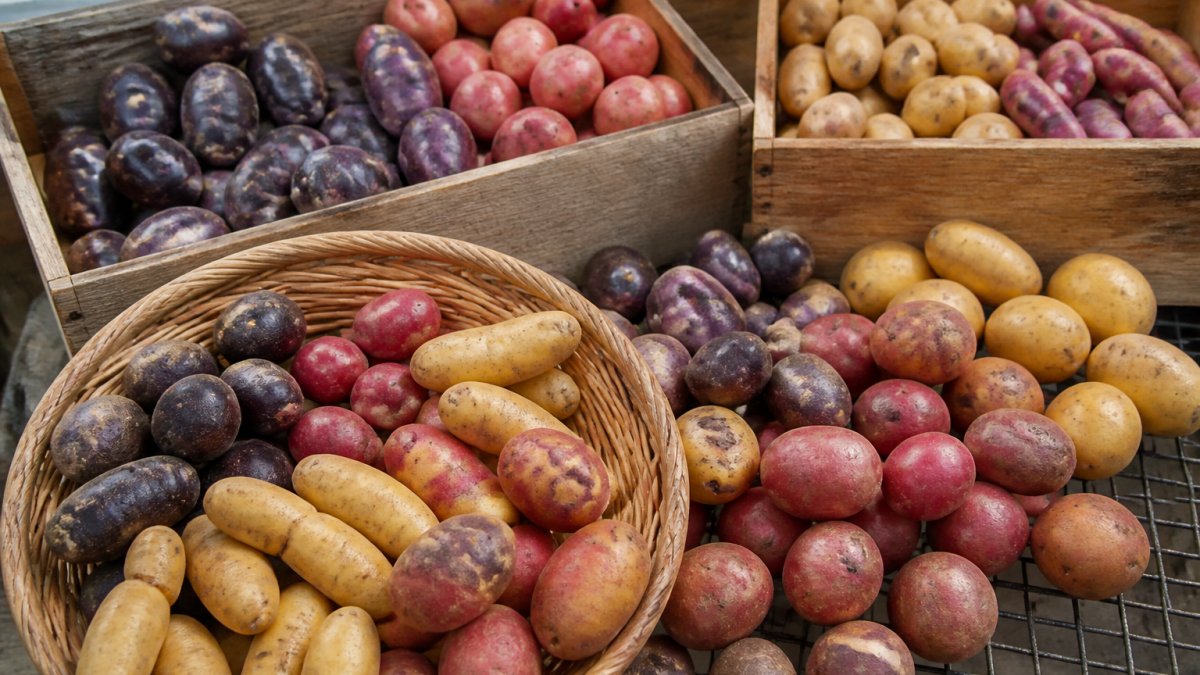
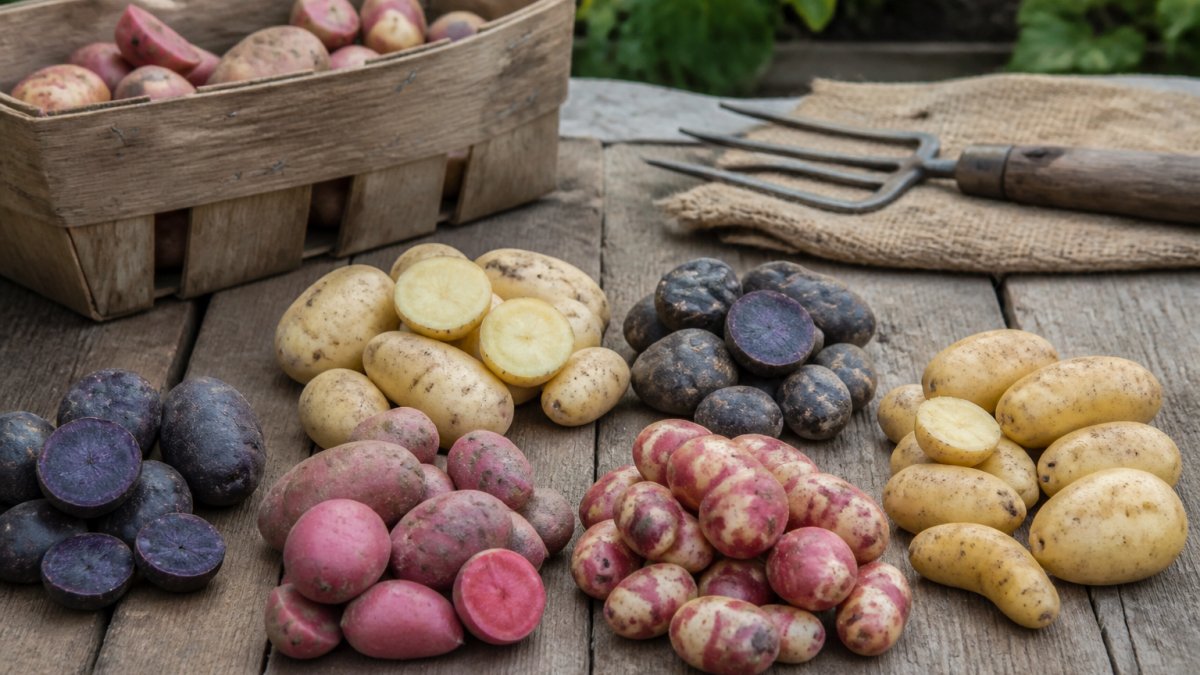
Variety: Russian Banana, French Fingerling, and Pink Fir Apple all cook and taste different
A common mistake is treating fingerlings like a russet. They are not a baking potato. Their value is in pan frying, roasting, and potato salads where shape matters.
Fingerling Potatoes vs. Other Potato Types: A Direct Value Comparison
Fingerlings win on flavor and plate appeal; russets win on volume and storage. That trade-off is the whole comparison.
Potato Type | Best Use | Yield per Plant | Storage Life |
Fingerling | Roasting, pan frying, salads | Low to moderate | Short to moderate |
Russet | Baking, mashing, fries | High | Long |
Yukon Gold | All-purpose, mashing | Moderate to high | Moderate |
Red | Boiling, salads | Moderate | Moderate |
If your goal is filling a cellar for winter, plant russets. If your goal is the best roasted potatoes you have ever eaten, plant fingerlings. Most gardeners should grow both.
Flavor, Texture, and Culinary Versatility
The flavor gap is real and is the main reason people keep growing these potatoes.
Toss them with olive oil, garlic, and salt, then roast at high heat until the edges crisp. They also hold up in soups and stews where a soft potato would fall apart.
What most guides miss is how forgiving they are: boil them whole, smash lightly, and finish in a hot oven. No peeling, no fuss.
How to Grow Fingerling Potatoes: Seed Potatoes, Soil, and Timing
Start with certified seed potatoes, not grocery store spuds. Grocery potatoes are often treated to stop sprouting and can carry disease; seed stock is grown for planting, and it shows.
Crazy Dazes
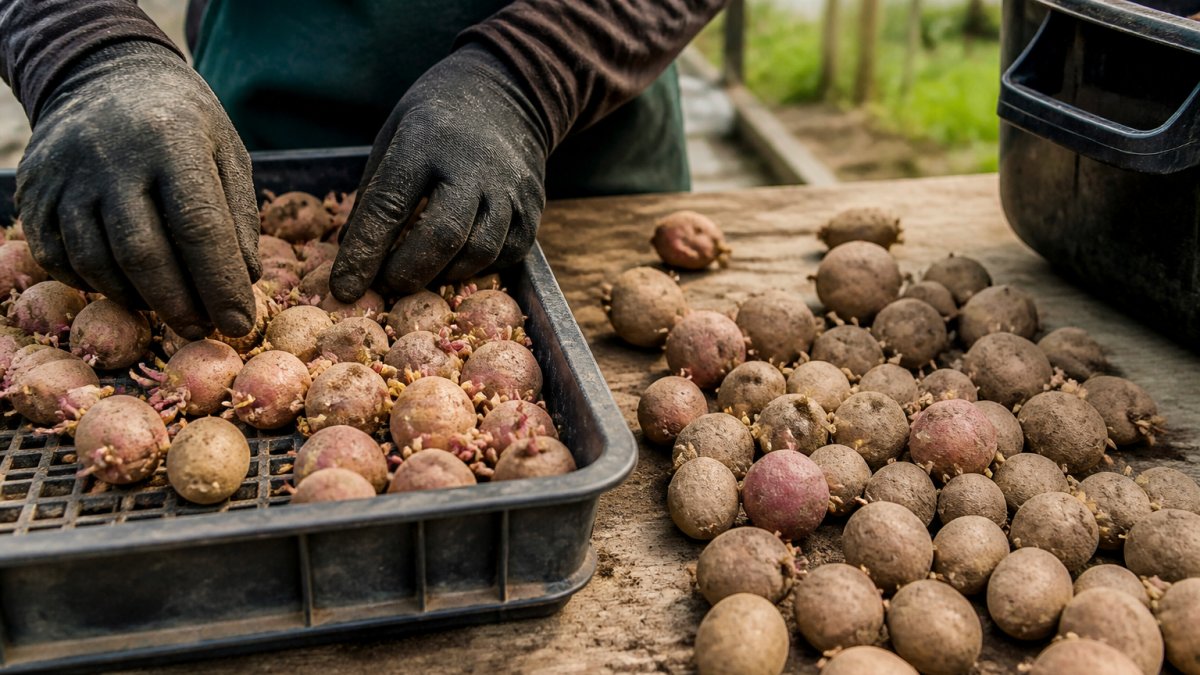
Plant fingerlings whole if small, or cut larger ones into pieces with at least two eyes. Let cut pieces dry a day before planting.
Planting and Soil Warmth
Soil temperature drives everything. Potatoes will not sprout well in cold ground, so wait until the soil has warmed in spring, in zone 6, usually late March through May.
Plant seed pieces 3 to 4 inches deep
Space them 10 to 12 inches apart
Keep rows about 2 to 3 feet apart
A greenhouse or high tunnel lets you start earlier. In a home garden, patience beats an early planting every time.
Hilling and Layering Soil Around Plants
Hilling means piling soil around the stem as the plant grows. Do it when plants reach about 6 to 8 inches tall, and repeat every couple of weeks.
Why bother? Tubers form along the buried stem, so more buried stem means more potatoes.
Some growers layer soil in a potato cage or tall container for the same reason: more buried stem, more space for tubers.
Fingerling Potatoes in Containers: Grow Bags, Half Barrels, and Potato Cages
Container growing suits fingerlings well: you control the soil, can move the pot to follow the sun, and digging is as easy as tipping it over.

Good container options include:
Grow bags: cheap, breathable, and easy to store
Half barrels: deep enough for a real crop and sturdy on a patio
Potato cages: wire frames you fill in layers as plants grow
Use a loose potting mix, not heavy garden soil. Keep containers watered, since they dry out fast, and feed lightly.
Fingerling Potato Yield per Plant: Realistic Numbers for Home Gardens
Most home gardeners harvest roughly half a pound to one pound of fingerlings per plant, lower than the two-to-four-pound figures quoted for russets and Yukon Gold. The gap is not a failure of technique; it is the nature of a small, slow-sizing specialty tuber.
What drives your number, in rough order of impact:
Variety. Russian Banana and Austrian Crescent tend to set more tubers per plant than Pink Fir Apple, which is a lighter yielder but a stronger keeper and a better salad potato. French Fingerling sits in the middle.
Days to maturity. Fingerlings are late-season potatoes, often 90 to 110 days. Cutting the season short is the single biggest cause of a disappointing dig.
Water consistency. Potatoes set and size tubers on even moisture. A dry stretch in the final month costs you size, not count.
Per-Square-Foot Math
Garden beds: at 10 to 12 inches between plants and 2 to 3 feet between rows, you fit roughly four to five plants per square foot of row length once hilling is accounted for. At half a pound to one pound per plant, that is about 2 to 5 pounds per square foot, so a densely planted 4-by-8-foot raised bed can realistically yield 8 to 15 pounds.
Containers: a 15-gallon grow bag or half barrel holds two to three plants and typically returns 1.5 to 3 pounds. A 30-gallon half barrel with three to four plants and careful layering can reach 3 to 5 pounds. Potato cages and vertical planters look impressive but often dry out and return less.
Pro Tip Weigh your harvest and write it down. Two seasons of your own numbers beat any published average, because your soil, your variety, and your watering habit dominate the result.
What a Modest Yield Actually Means in the Kitchen
A pound of fingerlings is two to three generous side servings, so a 10-plant bed returning 7 pounds is roughly 15 to 20 servings. That is the real unit of value: not bushels, but dinners. Expecting to replace a 10-pound bag of russets will disappoint; expecting a dozen or more standout meals from a small bed works.
Why Container Yields Can Beat Bed Yields
Layering soil in a tall container creates more buried stem per plant than a flat bed allows, and loose potting mix lets tubers expand without fighting clay. The trade-off is water: containers dry fast, and a missed week in July shows up as small tubers in September. Consistent waterers often beat their in-ground rows on pounds per square foot.
When to Harvest Fingerling Potatoes (and How to Store Them)
Harvest when the plants flower and then begin to die back, the signal that tubers have sized up. For most home gardens, that lands in late summer into early fall.
Stop watering about two weeks before harvest
Dig with a fork well outside the plant to avoid spearing tubers
Brush off soil instead of washing, which helps them keep longer
Store fingerlings in a cool, dark, ventilated space. They do not keep as long as russets, so eat the damaged ones first. Check stored potatoes regularly and remove any that soften.
Cost, Seed Availability, and Effort vs. Payoff
Here is where honesty matters most. Fingerling seed potatoes cost more per pound than standard seed and are harder to find; many garden centers stock only russet, Yukon Gold, and red seed. Mail-order and specialty growers are usually the only reliable source, and small-quantity orders carry shipping that can rival the seed cost.
The Cost Comparison, Plainly
Seed cost: fingerling seed typically runs higher per pound than commodity seed potatoes, and you need roughly 2 to 3 pounds of seed to plant a 4-by-8 bed at the spacing above. Standard seed is cheaper per pound and far easier to source locally.
Grocery cost: commodity russets are among the cheapest calories in the produce aisle. Specialty fingerlings at retail, and especially at farmers markets, sell at a clear premium per pound.
The honest verdict: if your benchmark is the price of a bag of russets, homegrown fingerlings lose. If your benchmark is the price of specialty fingerlings at retail or a farmers market, a small bed can pay for itself in one or two seasons, and the flavor is better than either.
Effort vs. Payoff
The labor is moderate and front-loaded: sourcing seed, planting, hilling two or three times, watering, and one dig at the end. No special equipment is required beyond a fork and a hose. The season runs roughly 90 to 110 days, longer than many gardeners expect from a potato.
Where the payoff is real:
You get a fresh-dug product that does not exist in most supermarkets.
You get varieties, like Pink Fir Apple and French Fingerling, that are hard to buy at any price locally.
You get a crop kids will actually dig up and eat.
Where it is not:
You will not fill a cellar or replace bulk potato purchases.
You will not save money against commodity potatoes.
You will spend more per pound of seed than you would on standard varieties.
Key Takeaway Grow fingerlings as a flavor crop, not a staple crop. Budget for specialty seed, plant a bed or two of containers, and judge the season by the meals it produces rather than the pounds it stores.
Seed Availability and Quality
Certified seed matters more with fingerlings than with commodity potatoes, because specialty varieties are grown in smaller quantities and later-generation stock can carry disease that shows up as weak plants and small harvests. Buy early-generation, certified seed from a potato specialist before spring, since popular varieties sell out. If you only need two or three pounds, look for a seller offering small quantities.
Variety-by-Variety Comparison
Variety | Skin and Flesh | Flavor Notes | Maturity | Yield Tendency | Storage | Best Use |
Russian Banana | Yellow, yellow | Nutty, buttery | Late | Good | Moderate | Roasting, salads |
French Fingerling | Red skin, yellow flesh | Rich, slightly sweet | Mid to late | Moderate | Moderate | Pan frying |
Pink Fir Apple | Pink, waxy | Earthy, firm | Very late | Lower | Good | Boiling, salads |
Austrian Crescent | Yellow, yellow | Mild, creamy | Mid to late | Good | Moderate | Roasting, gratins |
Start with one or two varieties your first year. Learn how they perform in your soil before expanding, and favor the higher-yielding types if volume matters to you.
Common Problems and Troubleshooting
Most fingerling problems trace back to water, light, or soil. Fix those three and the crop mostly takes care of itself.
Green tubers: caused by sunlight hitting potatoes. Hill more soil or move containers into deeper shade.
Small harvest: usually too little water or an early dig. Water evenly and wait for die-back.
Rotting seed pieces: cold, wet soil at planting. Wait for warmth and ensure drainage.
Watch Out Reusing the same garden bed for potatoes year after year builds up disease and pests. Rotate potatoes to a new spot every three years, or switch to fresh potting mix in containers.
Are fingerling potatoes worth growing at home? For flavor, yes. For volume, no. Grow them because a pan of roasted French Fingerlings with olive oil, garlic, and salt beats anything from a plastic bag. Grow them because your kids will dig them up like treasure. Just do not expect them to fill a cellar.
The gap between a bland supermarket potato and a fresh-dug fingerling is wider than most gardeners expect, and it starts with the seed. Soda Springs Solar Gardens LLC grows certified organic, regenerative seed potatoes in small batches, with early generation FY1 and single-drop stock and specialty fingerling varieties you will not find at a garden center.
Frequently Asked Questions
How many fingerling potatoes can one plant produce?
A single fingerling potato plant typically yields between 1 and 2 pounds of tubers in a home garden, though results vary by variety, soil quality, and growing conditions. Plants grown in containers or raised beds with loose, well-drained soil often land on the higher end. Fingerlings produce many small tubers rather than a few large ones, so the count per plant can run 15 to 30 potatoes even when the total weight stays modest. Starting with certified seed potatoes rather than grocery store leftovers gives you a better chance at a full harvest.
Can fingerling potatoes grow in containers?
Yes, and containers are one of the easiest ways to grow them. Half barrels, grow bags, and even a clean garbage can all work as long as there is drainage. Fill the bottom with 4 to 6 inches of soil, set seed potatoes with eyes facing up, and add more soil as the plant grows, leaving the top leaves exposed. Containers warm up faster in spring, which helps in cooler zones, and they make harvesting simple: tip the whole thing over and pick out the tubers. Keep the soil consistently moist but never waterlogged.
Are homegrown fingerling potatoes worth the extra effort?
For most home gardeners, yes, with caveats. Fingerlings cost more per pound at the store than standard russets, and specialty varieties are often hard to find at all. Growing your own gives you access to varieties like French fingerling that rarely appear in retail bins, plus control over how they are grown. The tradeoff is lower yield per square foot than bulk potato types and a shorter storage life. If you value flavor and variety over sheer volume, the effort pays off.
When should I harvest fingerling potatoes?
Fingerling potatoes are usually ready 90 to 110 days after planting, depending on the variety and your growing zone. You can dig new potatoes earlier, about 60 to 70 days in, once plants have flowered. For full-size fingerlings, wait until the foliage yellows and dies back, then stop watering for a week before digging. Harvest on a dry day, lift tubers with a fork starting well outside the plant, and cure them in a shaded, ventilated spot for a few days before storing.
PURCHASE SEED POTATOES
Add seed-potatoes.com as a preferred source on Google →
Comments